Photo by Tom Payne
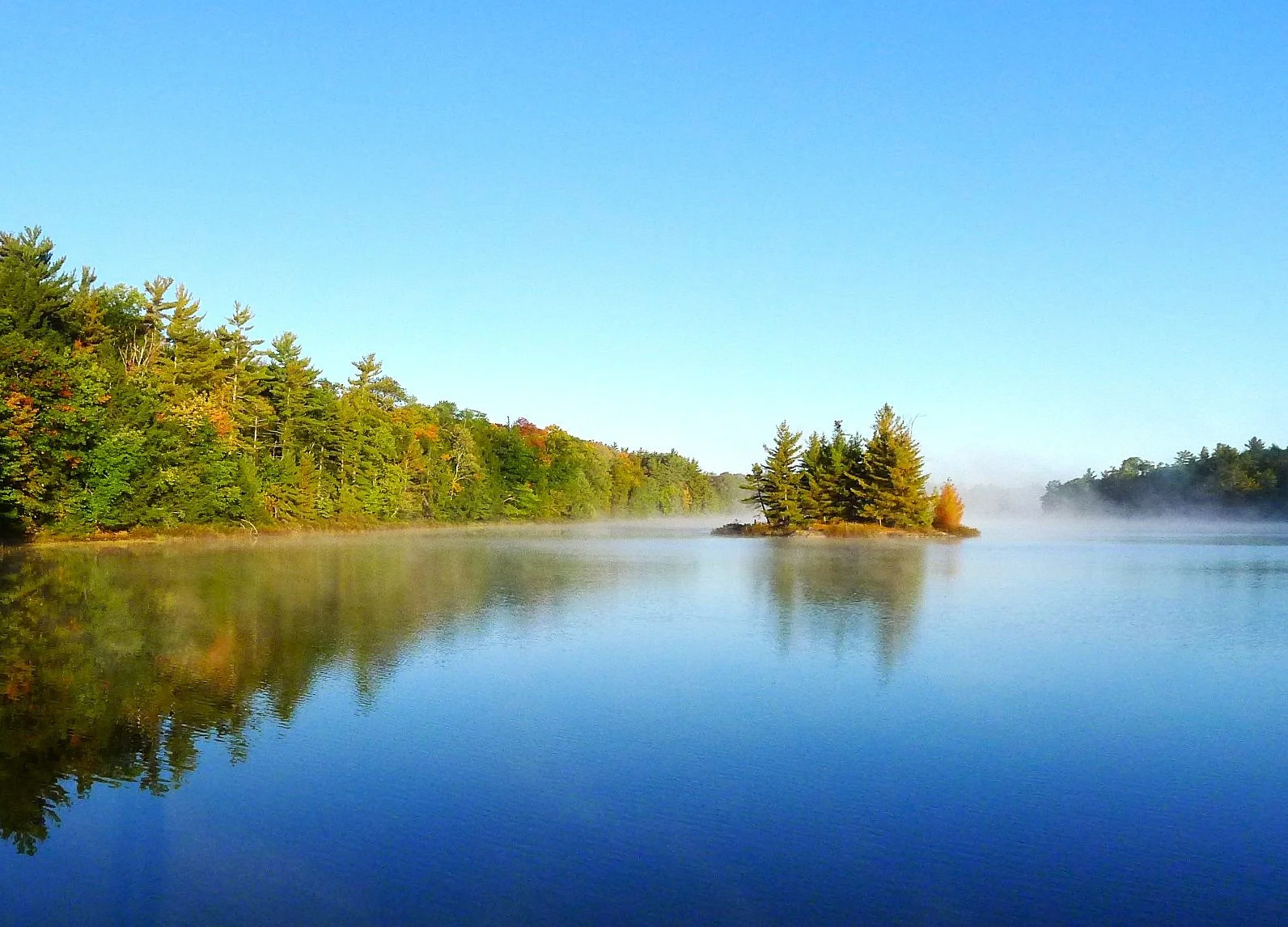
We’re thrilled to announce a new protected property: the 16-acre Payne-Meinig Nature Reserve.
Located within Longuissa Bay in the cottage community of Cognashene, the Payne-Meinig Nature Reserve encompasses both mainland and island habitats that contribute significantly to the ecological integrity of eastern Georgian Bay. The property forms an important link to the Cognashene Lake Conservation Reserve, enhancing connectivity among existing protected areas and supporting landscape-scale conservation objectives.
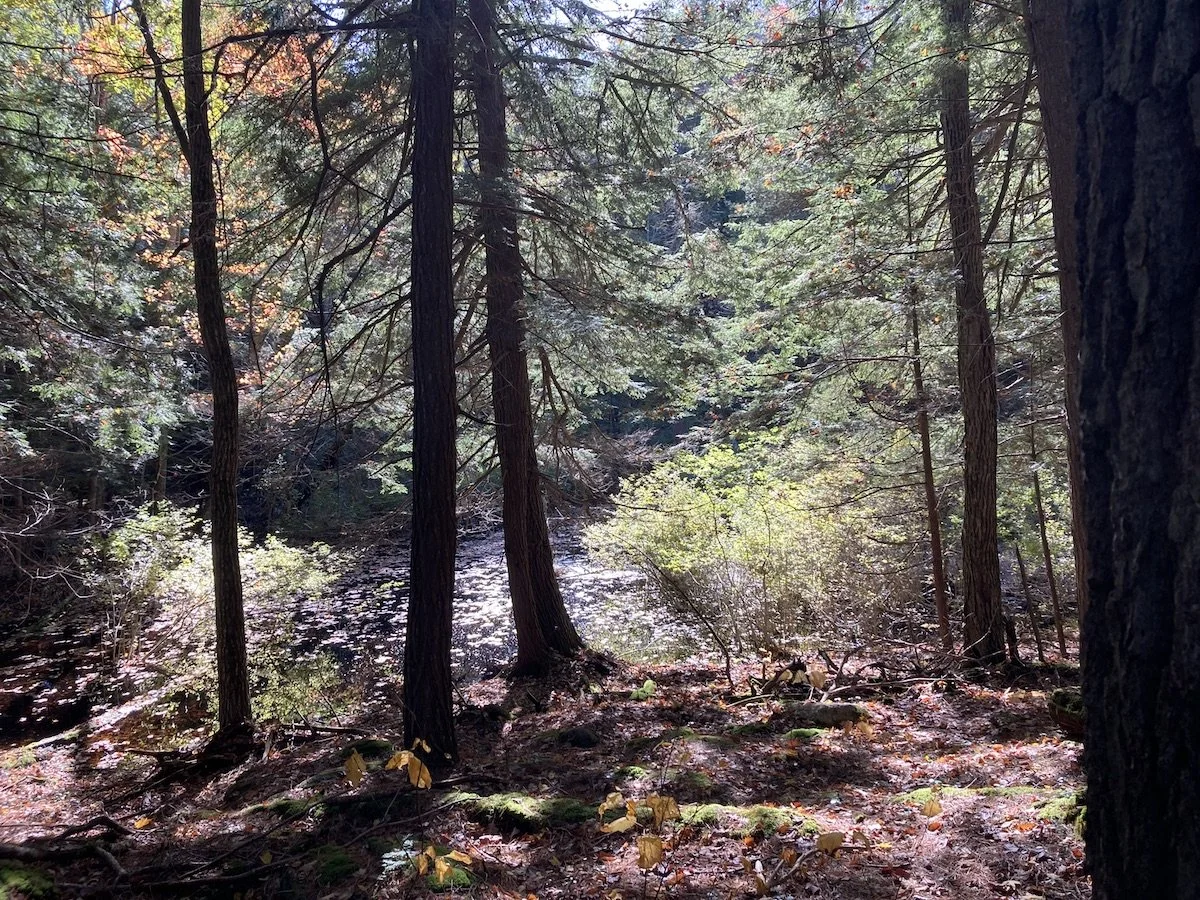
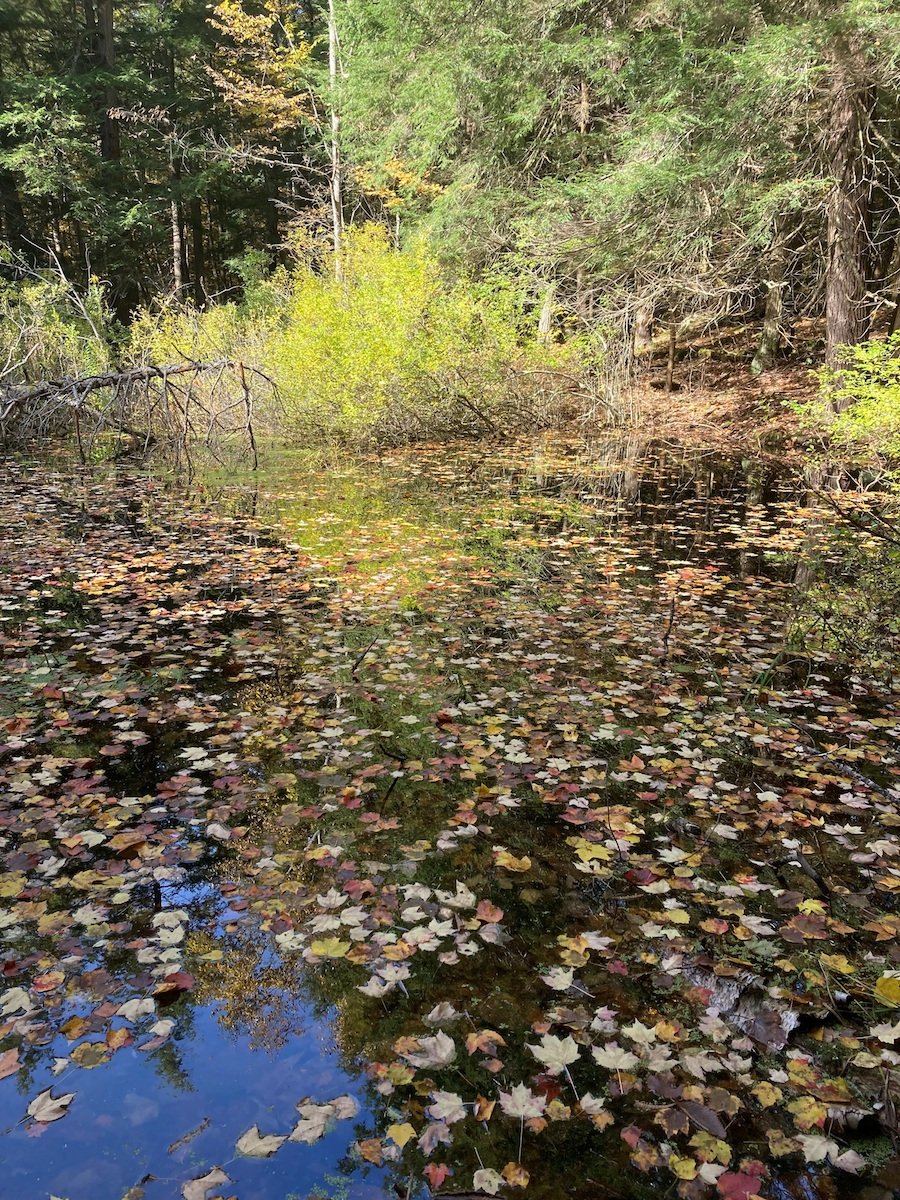
This new protected area contains a diverse assemblage of habitat types, including undeveloped shoreline with documented Common Loon nesting activity, mature upland forest, open rock barren communities, and provincially rare wetland ecosystems. Together, these habitats support a range of species at risk and regionally significant flora and fauna, underscoring the conservation value of the site.
The Payne-Meinig Nature Reserve was generously donated by Tom Payne and Elaine Meinig in memory of Harvey and Margaret Payne and Walter and Jessie Meinig. Thank you Tom and Elaine for ensuring the long-term protection of these ecologically significant lands.
Land donor Tom Payne sat down with us for an interview:
What is your history with this land?
Elaine and I first came to Longuissa Bay in 2001, and built our cottage in 2002. It felt like I was coming home. My family was from Midland and we did a lot of boating and sailing on Georgian Bay – some of my earliest memories are boating as a family to Beausoleil Island for swims and picnics. My parents, Harvey and Margaret Payne continued sailing and enjoying Georgian Bay right up to their passing. They spent summers sailing “up the Bay” as far as the North Channel and especially loved boating up to our dock in Longuissa Bay to visit with us and their grandchildren. Elaine’s family rented a cottage growing up, and her parents Walter and Jessie Meinig were often visitors to our cottage and fell under its spell. We feel that donating the property into conservation is what they would have wanted.
What is special about this land from your perspective?
The mixed forests of Longuissa Bay are relatively unusual for Georgian Bay, in that they come right down to the water’s edge. Most of what we think of as Georgian Bay is exposed rock and pine trees, and these forests are more like Muskoka. They have different plants and provide habitat for a pretty diverse range of animals, including bear, deer, birds, and reptiles. Longuissa Bay is a really healthy ecosystem; we hear frogs all the time, and the loons thrive in that bay. On one of the islands every year there’s a loon nest. There’s fish breeding habitat and lots of fish as evidenced by the ready stream of anglers we see in the bay.
What inspired you to donate the land for conservation?
We had both been thinking about this for a long time. The property backs onto the Cognashene Lake Conservation Reserve, a 7,277-acre provincially protected area that stretches from Longuissa Bay to Go Home Bay. It provides a bridge from the water to the wetlands, forests, and bogs in the back country, and we felt that it was a key link in the ecosystem of the area.
We love our cottages, but the problem is that they cut off access from the back country to the water’s edge for animals. I think we get extra benefit if we preserve these corridors to the water so that the animals don’t have to go through cottages to get to the water if they need it.
What are your hopes for the future of this land?
If you look at pictures of Longuissa Bay from about 130 years ago, just after the lumbering days, it was clearcut. It’s hard for us to imagine what it looked like, but the whole area was denuded. Someone coming into Longuissa Bay now who had known it in those days would be amazed at how it has recovered. It’s a forest now – relatively young – but it’s recognizable as a forest and it’s filled with birds and animals. Nature has come back in those 130 years. If someone comes back to Longuissa Bay 130 years from now, I would hope that it would be recognizable as something that’s well on its way to becoming what it was 500 years ago, a mature old growth forest.
How do you feel knowing the land will be conserved forever?
We’re just happy that it all came together, and the property is in the place where it should be. It’s what my parents and Elaine’s parents would have wanted. Before we owned this property it belonged to the Northey Family, who have been great conservationists over the years. They are descended from the previous owners, the Muskoka Mill and Lumber Company. And before that of course it was Indigenous land. I’ve often thought about how ridiculous it is to claim ownership over rocks that are a billion years old. What is ownership when our lives are measured in decades, and they round the rocks’ ages to the nearest million years? It’s really stewardship, not ownership. That’s what we’re doing here is stewarding things into the future.
